
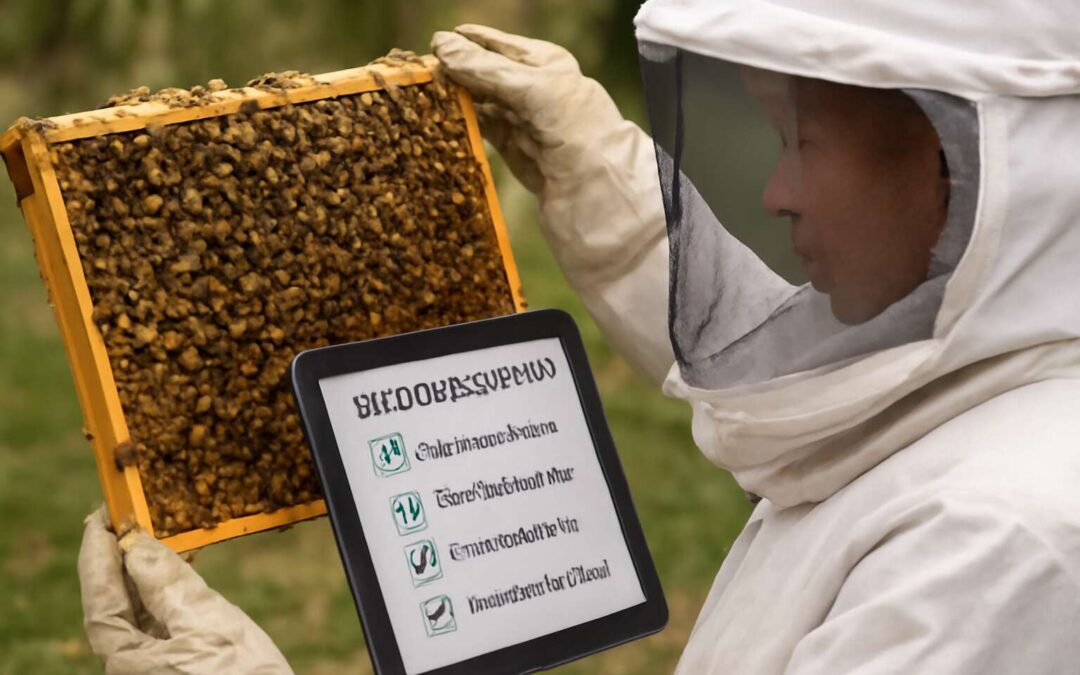
Understanding the bee verification landscape
Definition and scope of bee verification
In a market thirsty for traceability, the bee verification process stands as the compass I trust when navigating uncertainty. It defines what counts as verified product and where assurances come from, not merely what is claimed. The landscape blends regulatory standards with on-the-ground practice, and the human stakes shine through as beekeepers balance tradition with transparency.
Key dimensions include governance, data provenance, and independent validation.
- Regulatory alignment with South African agricultural authorities
- Immutable records of hive health and origin
- Independent audits ensuring consistency
As trust deepens, so does the work of every stakeholder, and I watch whispers of quality turn into a shared, verifiable reality.
Why verification matters for beekeepers and consumers
Across South Africa’s honey market, trust travels on the back of the bee verification process. I see it as a steady compass when uncertainty buzzes louder than marketing claims. It defines what verified product looks like in the hive-to-shelf journey and shines a light on origin, health, and handling—everything essential to honest sweetness!
Understanding the landscape means recognizing who guards the measure and why. The system rewards transparency with precision, not pledges. Here’s who keeps the verification honest:
- Beekeepers documenting hive origin and health
- Regulators aligning with SA authorities
- Independent auditors validating consistency
- Retailers and consumers seeking verified provenance
When trust grows, so does cooperation. The process quietly underpins everyday choices and the future of SA beekeeping.
Key stakeholders in verification programs
More than half of SA honey shoppers say provenance matters more than price, and I feel that truth humming in the hum of a quiet hive. The bee verification process glows like a lantern in a wind-swept market, turning murky claims into measurable origin, health, and handling.
The landscape is guarded by these key silhouettes, and their roles shape every decision consumers trust. The backbone includes:
- Beekeepers documenting hive origin and health
- Regulators aligning with SA authorities
- Independent auditors validating consistency
- Retailers and consumers seeking verified provenance
As trust grows, so does cooperation—the quiet architecture that steadies SA beekeeping from hive to shelf, one verified step at a time!
Common terms and metrics in bee verification
“Truth travels faster than rumor when it carries a barcode.” The bee verification process in South Africa maps origin, health status, and handling from hive to shelf, turning murky claims into measurable, trustworthy facts. Shoppers, regulators, and retailers rely on this quiet beacon to guide decisions in a crowded market.
To navigate this landscape, here are common terms and metrics that define how verification works in practice.
- Origin verification
- Chain of custody
- Certificate of analysis (COA)
- Audit score and compliance status
- Traceability rate
When these metrics align, trust travels fast—from beekeepers to retailers, auditors to consumers. Each verified step reduces risk, increases transparency, and keeps the hive’s story alive in every South Africa honey jar.
Core elements of verification systems
Identity and traceability for bee products
Provenance is an art as sweet as honey, and in South Africa it becomes a competitive edge. More than 70% of consumers say traceability shapes trust in bee products, and that trust begins at the hive. From the open veld to a sealed jar, every step is a whisper of lineage!
Core elements of verification systems hinge on identity and traceability for bee products. Within the bee verification process, reliable markers map origin from brood to jar.
- Unique hive identifiers and batch numbers
- Tamper‑evident packaging and secure transfer logs
- Digital, immutable registries linking farm, processor, and retailer
Identity is more than a code; it is accountability that travels with every batch, linking farm, processor, and retailer in a single, transparent chain. The resonance is a market where quality speaks, softly but unmistakably.
Data collection methods and technology
In practice, data is nectar for trust. Core data capture stays light on the beekeepers’ hands: simple identifiers, traceable batches, and a choreography that respects the hive’s tempo. The goal is to map origin and journey without slowing the honey’s flow, from the veld to the shelf.
- RFID or NFC tags on hives and equipment to log movements
- QR codes or barcodes on jars and crates for batch traceability
- IoT sensors monitoring hive health, temperature, and humidity
- Digital registries and secure transfer logs bridging farm, processor, and retailer
In the bee verification process, tamper‑evident packaging and secure transfer logs act as the quiet enforcers. Cloud platforms stitch records into an auditable tapestry, while immutable registries keep farm, processor, and retailer in one transparent chorus. South Africa’s beekeeping networks are increasingly fluent in this language of provenance and trust.
Authentication and tamper-evidence
“Provenance is power,” a veteran beekeeper once whispered, and the bee verification process hinges on authentication and tamper-evidence. Authentication confirms who logged a hive move and what product batch is in transit, while tamper-evidence flags any unauthorized touch, keeping the hive’s story intact from veld to shelf. Records stay legible across cloud vaults and secure ledgers, resisting drift and misfiling.
Key features that support this core include:
- Tamper-evident packaging
- Secure transfer logs with immutable timestamps
- Digital authentication tokens and provenance certificates
Together, these elements create a trustworthy narrative that flows with the season’s rhythms, helping beekeepers, processors, and retailers speak in one transparent chorus from farm to table. In South Africa, such alignment nurtures local pride and wider consumer trust.
Certification criteria and grading
South Africa’s hive-to-shelf narrative has a punch: 68% of shoppers say origin factors into their purchase decisions. In the bee verification process, certification criteria and grading are the backbone, tracing who touched what and how quality travels from hive to pantry. Clear standards keep mislabeling at bay and make producer promises legible across the value chain.
Core elements that ensure those standards behave in the field:
- Certification criteria: authenticity, origin verification, and compliance with labeling and safety regulations.
- Grading standards: moisture content, aroma, color, and absence of contaminants that could sour a batch.
- Audit and record-keeping: tamper-evident seals, sampling protocols, and immutable transfer logs.
That’s the bee verification process in motion.
Risk assessment and fraud prevention
In the hive’s hush, the bee verification process unfurls like a weathered map guiding us from nectar to pantry here in South Africa. Risk assessment and fraud prevention are the spine and heartbeat—quiet, unglamorous, essential. We look ahead, scanning for pressure points, weak links, and forged labels, then design defenses that flex with a changing season.
- Dynamic risk scoring that evolves with data
- Anomaly detection and independent checks across handoffs
- Separation of duties and immutable logs
Together, these anchors turn uncertainty into trust, letting honest producers, honest consumers, and the hive of commerce breathe easy in the bee verification process.
Practical steps in the verification workflow
Initiation and eligibility checks
In the quiet hum of a South African apiary, the bee verification process begins with a single, decisive step. A recent industry pulse shows 40% of discrepancies are caught at initiation, saving time and trust for beekeepers and consumers alike.
Initiation sets the stage: applicants present beekeeper identity, license, apiary registration, and product stream for review.
- Eligibility screening: verify identity, licensed status, farm registration, and alignment with permitted product types.
- Documentation and window checks: ensure submissions fit the defined timelines and required records are complete.
- Flag triage: automated rules highlight mismatches or anomalies for manual review.
With eligibility confirmed, the workflow moves to alignment quality and audit-ready traceability, keeping the door open for legitimate products to proceed while safeguarding the hive’s integrity.
Sample collection and lab testing
In the bee verification process, South African field technicians follow a careful rhythm: they select representative hives across apiaries, collect wax, honey, bees, and pollen, and seal each sample with tamper-evident tags. This disciplined start, where 40% of discrepancies are caught at initiation, builds a trustworthy baseline for every batch.
- Representatives gather material from diverse hive zones to reflect true product origins.
- Packaging uses tamper-evident seals and clear labeling to preserve chain-of-custody.
- Immediate, controlled storage keeps samples stable until analysis.
In the lab, rapid identity checks, residue screening, and reference-profile comparisons turn field signals into verifiable data points, feeding the process with audit-ready results.
Documentation and recordkeeping
The bee verification process demands a steady, almost ceremonial recordkeeping rhythm! A single, well-kept log can turn a dozen fields into a single verifiable narrative; in our South African workflows, this line between data and truth starts with meticulous documentation of sample IDs, date stamps, and custody notes.
- Sample identity, batch codes, and custody handover records
- Storage location, container ID, and environmental conditions
- Date and time stamps for transfers, reviewer initials, and audit references
When these records align with lab findings, stakeholders gain unwavering confidence in the integrity of the product and the audit-ready trails that back every claim.
Result interpretation and decision making
Bees don’t gossip, but the bee verification process does a fine impression of a truth-teller. When results align with the narrative in the ledger, stakeholders sleep easier and shipments stay on schedule. A seasoned inspector once quipped, “The ledger never lies,” and the line sticks because it captures every twist from sample to shelf.
Result interpretation hinges on context: lab findings, sample provenance, and the broader risk picture. Decisions ride on transparent criteria, consistent terminology, and auditable rationales that survive a culled audit in a South African warehouse.
With that alignment, decision making becomes less guessing and more governance—releasing, re-testing, or escalating as the data dictates within the bee verification process.
Traceability and product labeling
Traceability in practice is a lantern over a crowded shelf, guiding beekeepers and processors along the verification workflow. Practical steps keep the bee journey transparent from field to customer, with labeling that reads like a well-kept ledger. When the bee verification process is underway, every label, batch code, and timestamp becomes a beacon of truth—clean, durable, and auditable even in bustling South African warehouses.
Key steps include:
- Standardized labeling with clear product and origin data
- Batch-level traceability codes that align with the ledger
- Tamper-evident seals and digital stamps for real-time updates
These elements weave a readable trail for auditors and customers alike, keeping the journey transparent.
Standards, compliance, and best practices
Global and regional standards for bee products
Global markets prize transparency, and studies show traceability yields double-digit boosts in consumer trust. In South Africa, that trust hinges on the bee verification process, a choreography of data, labeling, and auditable records that makes every jar feel accountable. It’s not sorcery; it’s disciplined alignment of standards with everyday practice!
Global and regional standards for bee products guide this choreography. To keep things crisp and credible, consider these cornerstones:
- Codex Alimentarius honey standard for composition and labeling
- ISO 17025 accreditation for laboratories performing bee product testing
- Regional guidelines within SADC and South African food safety regulations for grading and certification
Best practices emphasize robust documentation, tamper-evident packaging, and routine audits—ensuring the verification framework remains readable to regulators, buyers, and curious beekeepers alike.
Regulatory considerations and labeling rules
South Africa’s honey market is a tapestry of stories, and numbers back the magic: consumers increasingly crave transparency. The bee verification process acts as a compass, aligning data, labeling, and auditable records so every jar feels accountable. It’s not sorcery—it’s a disciplined choreography that makes trust tangible! “Transparency is the best sweetener,” a market observer likes to remind us.
In South Africa, regulators require clear origin, accurate product naming, net weight, and traceable batch information, all harmonized with accessible data for inspectors and buyers.
- Label content: product name, country of origin, batch/lot, expiry date
- Packaging data: lot number, manufacturing date, and storage instructions
- Compliance visibility: regulatory marks and contact details for the manufacturer
Best practices are the quiet wind behind the verification journey, keeping data readable for regulators, buyers, and curious beekeepers alike.
Quality management systems
Around South Africa’s honey aisles, transparency sells. A recent market pulse shows 68% of buyers check origin labels before purchase. The bee verification process stands as the compass guiding standards, compliance, and best practices toward trust. Quality management systems anchor every claim.
In practice, these systems demand documented processes, traceability, internal audits, and robust change control. The bee verification process thrives when manufacturers map end-to-end flows, assign clear responsibilities, and maintain auditable records that regulators and buyers can verify at a glance.
Key elements in this domain include rigorous documentation control, lot-based packaging, and ongoing staff training that keeps pace with evolving rules.
- Document control and revision history
- Lot-based packaging and expiry management
- Internal audits and corrective action tracking
When the practice feels like ritual, that’s when the verification process becomes a living system—narrating provenance, protecting the consumer, and rewarding the beekeeper’s craft.
Audits, accreditation, and governance
Across South Africa’s honey aisles, honest labeling is a currency. A recent market pulse shows 68% of buyers check origin labels before purchasing. The bee verification process acts as the compass for standards, compliance, and best practices, turning claims into verifiable truth.
Standards, compliance, and best practices demand rigorous audits, credible accreditation, and transparent governance. The heartbeat of this system rests on three pillars:
- Audits and corrective action tracking
- Accreditation programs and ongoing surveillance
- Governance structures and clear responsibilities
When the practice stays tight, the verification framework becomes a living narrative—proven provenance, consumer protection, and fair reward for careful beekeepers!
Continuous improvement and stakeholder engagement
In a market where 68% of buyers scrutinize origin labels before buying, the bee verification process acts as a compass for excellence. Standards are not static; they breathe through continuous improvement and voices from beekeepers, retailers, and regulators.
To stay ahead, continuous improvement relies on disciplined governance and ongoing dialogue with stakeholders.
- Continuous improvement cycles guided by periodic reviews and corrective actions.
- Transparent governance with defined roles, accountability, and reporting cadence.
- Active stakeholder engagement, including beekeepers, retailers, and regulators, shaping policy updates.
When governance structures are clear and responsibilities are well defined, the bee verification process becomes more than a check—it’s a living narrative that strengthens consumer protection and compensates careful beekeepers, here in South Africa.
Backed by robust standards, compliance, and best practices, this verification process weaves trust through every jar of honey available to SA shoppers.